
Filter Cloth Cleaning and Quality Requirements
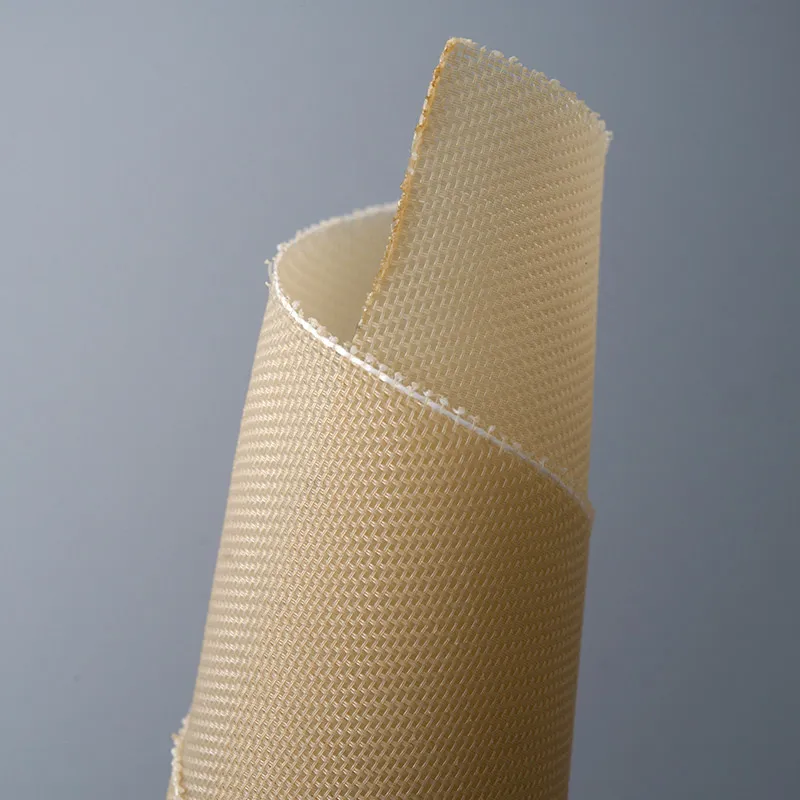
After extended use, filter cloths require proper cleaning to maintain efficiency and protect overall equipment performance. Routine cleaning not only preserves filtration effectiveness but also helps extend service life. You can often gauge performance by the level of dust buildup on the cloth—an indicator of how well it’s capturing particles. While widely used in industrial settings, filter cloths also play an important role in everyday air filtration, helping improve the quality of the air we breathe.
Sand washing filter cloths are primarily used for air filtration and dust removal, supporting cleaner operations and environmental protection. They are commonly applied across industries such as smelting, chemical processing, sugar production, dyes, pharmaceuticals, and food processing. These cloths are typically made from synthetic fibers like polypropylene, polyester, nylon, and vinylon, with polyester and polypropylene most commonly used for solid-liquid separation, while nylon is favored in coal washing applications for its superior wear resistance.
Filter cloths help remove impurities from the air, contributing to a cleaner environment and improved quality of life. To maintain their effectiveness, regular cleaning is essential. The process is simple—just apply a mild cleaning solution, allow the cloth to soak for several minutes, and then rinse to remove any trapped contaminants.
The effectiveness of its use largely depends on the quality of the product. Generally speaking, products manufactured by professional production equipment have good structural rings. Although there are various materials and specifications used in the market, different varieties have different characteristics, but customers need to choose according to their own needs when choosing.
Because these products are primarily made from polypropylene, nylon, and polyester, they offer broad application versatility. They are produced without silicone oil contamination and do not require silicone oil-based cooling during manufacturing, ensuring cleaner processing and more consistent product quality.
Warm water is recommended when cleaning filter cloth, as it helps remove contaminants more effectively at this temperature. Since the product is primarily made of woven material, it is generally easier to clean and maintain. Choosing high-quality filter cloth at the time of purchase is important, as it ensures better filtration performance and longer service life. Overall, the industry continues to rely on scientific advancement and ongoing innovation to develop more efficient and high-performing filtration products.